

mirror glass sheets cut to size
Exploring the Snap Gauge Micrometer A Precision Measurement Tool The world of precision engineering relies heavily on accurate measurements, and one of the unsung heroes in this domain is the snap gauge micrometer. This innovative tool combines the straightforwardness of a basic gauge with the precision of a micrometer, making it essential for various applications across manufacturing and quality control processes. At its core, a snap gauge micrometer is designed to measure the external dimensions of an object with remarkable accuracy. Unlike traditional calipers that can be prone to read errors, snap gauges have a fixed measuring point that allows for consistent and repeatable results. The snap gauge typically consists of two parallel measuring faces set a specific distance apart, which can be adjusted or fixed depending on the design. This feature ensures precision measurements within a defined tolerance range. One of the main advantages of snap gauge micrometers is their ease of use. Operators can take measurements quickly, making them ideal for high-volume production environments where efficiency is crucial . The design of a snap gauge allows it to 'snap' onto the workpiece, providing a clear indication of whether the item is within specified tolerances without the need for extensive calibration or setup. This can significantly reduce the likelihood of human error in measurement and improve overall productivity in a manufacturing workflow. snap gauge micrometer The material of the snap gauge micrometer also plays a vital role in its functionality. Typically crafted from high-quality steel or stainless steel, these tools are designed to resist wear, corrosion, and environmental factors that could impact their accuracy. Some models even come with a wear-resistant coating to enhance durability, ensuring that they can withstand the rigors of daily use in various industrial settings. Another noteworthy aspect of snap gauge micrometers is their versatility. They can be used for a wide range of applications, including measuring diameters, thicknesses, and even the depth of slots or grooves. This flexibility makes them an invaluable tool for engineers and quality control inspectors who constantly need to measure different components in their work. In addition to their practical applications, combining a snap gauge with digital readouts can further enhance their precision and ease of use. Digital snap gauges provide operators with immediate and clear measurement readings, minimizing the chance of misinterpretation and streamlining the inspection process. In summary, snap gauge micrometers represent a critical tool in the arsenal of precision measurement devices. Their combination of accuracy, simplicity, and versatility makes them ideal for a wide range of manufacturing applications. By employing snap gauge micrometers in quality control processes, organizations can ensure that they maintain high standards for product specifications, ultimately leading to better products and increased customer satisfaction. In the evolving landscape of manufacturing, embracing tools that enhance accuracy and efficiency, like the snap gauge micrometer, remains a key strategy for success.
about
mirror glass sheets cut to size
Understanding Special Thread Gages Ensuring Precision in Thread Measurement In the realm of manufacturing and engineering, precision is not merely a goal; it is a necessity. When it comes to threaded components, ensuring accurate dimensions and pitch is crucial for the assembly and functionality of mechanical systems. This is where special thread gages come into play. These sophisticated tools are designed to measure the dimensions of threads with utmost precision, helping manufacturers maintain the high standards required for quality control. What are Special Thread Gages? Special thread gages are tools specifically designed for the measurement of threads on bolts, nuts, screws, and other threaded components. Unlike standard thread gages, which are often limited to measuring common thread types and profiles, special thread gages can be customized or tailored to accommodate unique thread specifications. These gages can measure various parameters, including thread pitch, major diameter, minor diameter, and thread angle. Types of Special Thread Gages There are several types of special thread gages, each serving a distinct purpose. Common types include 1. Plain Gages These are simple in design and are typically used to check the basic dimensions of a thread . They can be customized for specific diameters and pitches. 2. Go/No-Go Gages These gages come in sets that determine whether a thread fits within acceptable tolerances. The “Go” part indicates a perfect fit, while the “No-Go” piece ensures that the thread does not exceed the maximum limits. 3. Thread Plug Gages Used for internal threads, these gages are inserted into a threaded hole to check for compliance with specified dimensions. special thread gages 4. Ring Gages Contrarily, ring gages are designed for external threads and fit over the threaded component to evaluate its dimensions accurately. 5. Special Profile Gages For threads that do not conform to standard profiles such as trapezoidal or round threads, special profile gages are manufactured. These gages often require advanced design considerations to match the specific angle and pitch accurately. Applications of Special Thread Gages The applications for special thread gages span a wide range of industries, including automotive, aerospace, and manufacturing. In the automotive industry, for example, the reliability of threaded components is critical for safety and performance features. Aerospace applications demand even stricter tolerances, where failure could result in catastrophic consequences. Therefore, the precision provided by special thread gages is indispensable. Additionally, industries that manufacture custom fasteners or components often require specialized gages to ensure that their products meet the precise specifications demanded by their clients. This requirement may arise from evolving technologies or unique design requests. The Importance of Regular Calibration To maintain accuracy, it is crucial that special thread gages undergo regular calibration. Over time, any tool may experience wear and tear, which can impact measurement precision. Implementing a routine calibration schedule ensures that these gages consistently deliver reliable results, thereby upholding quality assurance standards. Conclusion Special thread gages play an essential role in the manufacturing landscape by ensuring that threaded components meet strict dimensional tolerances. With their ability to measure a wide array of thread specifications, they are vital for quality control in various industries. As technology advances and thread designs continue to evolve, the importance of these specialized tools will only grow. By utilizing special thread gages, manufacturers can enhance product reliability and contribute to the overall safety and effectiveness of mechanical systems.
-

High quality industrial productsagement

High quality industrial products
View Details -

Meet the diverse needs of customers

Meet the diverse needs of customers
View Details -

Strict quality control

Strict quality control
View Details -

Top raw materials

Top raw materials
View Details -

Trusted supplier

Trusted supplier
View Details
Our application


news and information

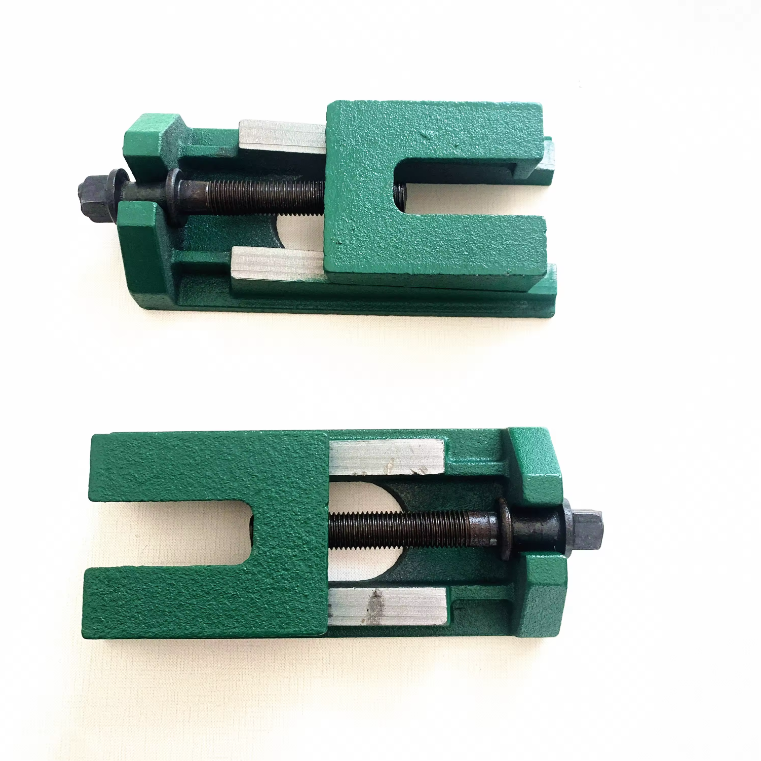
Versatile Clamps for Securely Holding Workpieces on Welding Tables
The Essential Guide to Welding Table Clamps Welding is an integral part of various industries, from
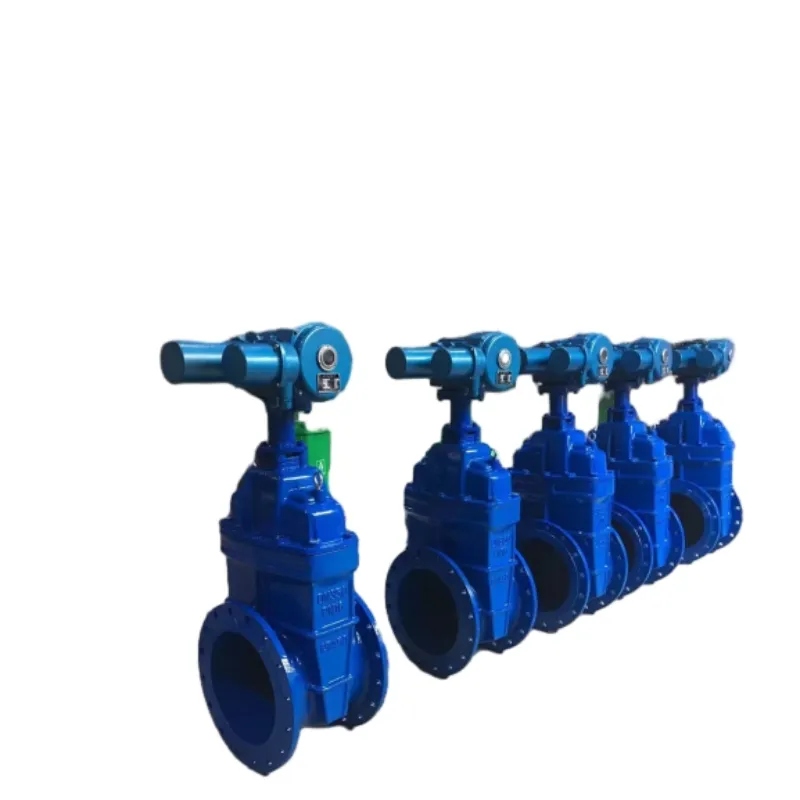
Water Valve Emergency Shutoff Procedure for Residential Systems
water valve shut off .
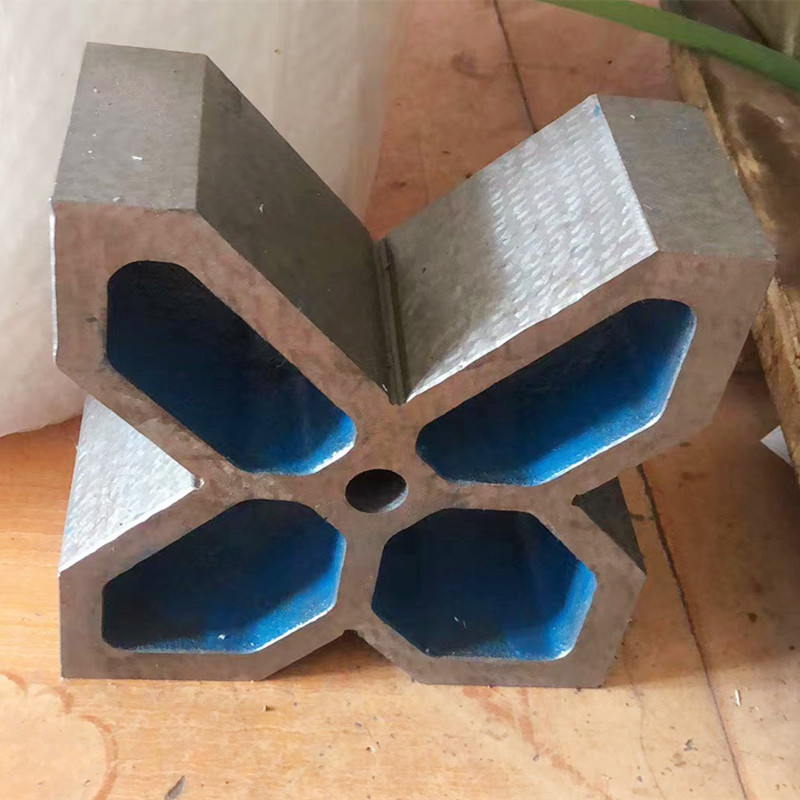
Valve Automation_ Benefits of Motorized Control Systems
In today’s rapidly evolving industrial landscape, automation has become synonymous with efficiency,
 English